
Life in the Granary: Acorn Woodpeckers of Orange County
It has been a while since I last posted a blog. Relocating to the USA brought its own set of challenges, and photography—especially the kind I’m most drawn to, landscape photography—quietly took a back seat. Long stretches passed without a camera in hand, at least not in the way I had once imagined.
Over the past three years, however, I’ve been steadily experimenting with the Olympus Micro Four Thirds system—now known as OM System—as a hiking and walk-about setup. Its compact size, excellent ergonomics, and class-leading image stabilisation made it a natural companion for everyday outings. Eventually, that experimentation led to a decision: I upgraded to the OM‑1 Mark II, pairing it with the OM System 50–200mm f/2.8 PRO and OM System 100–400mm PRO.
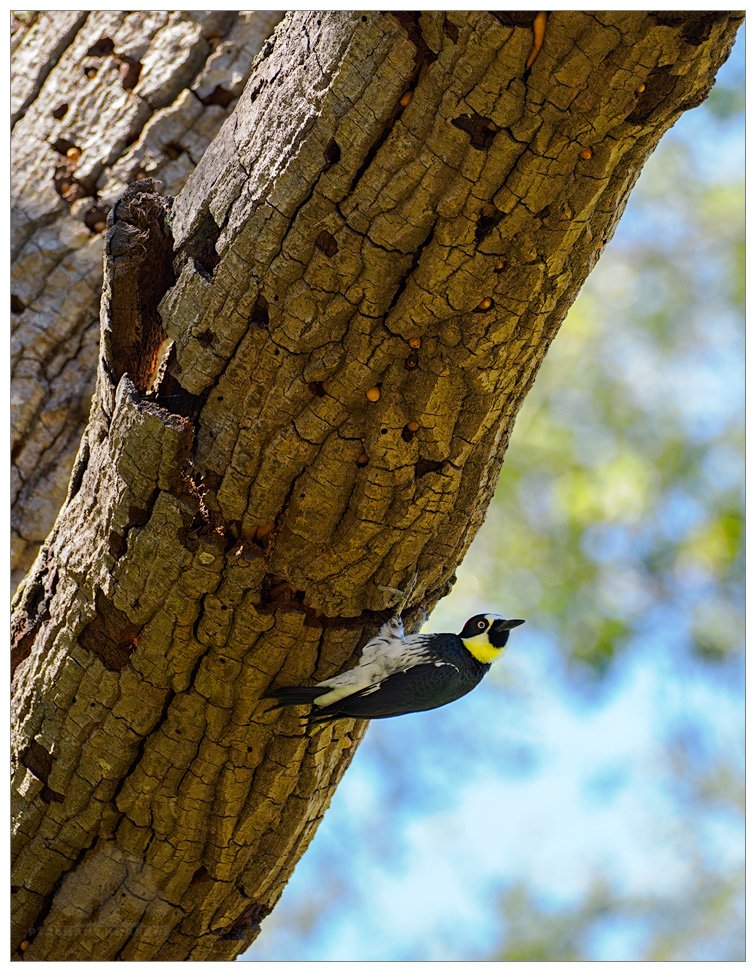
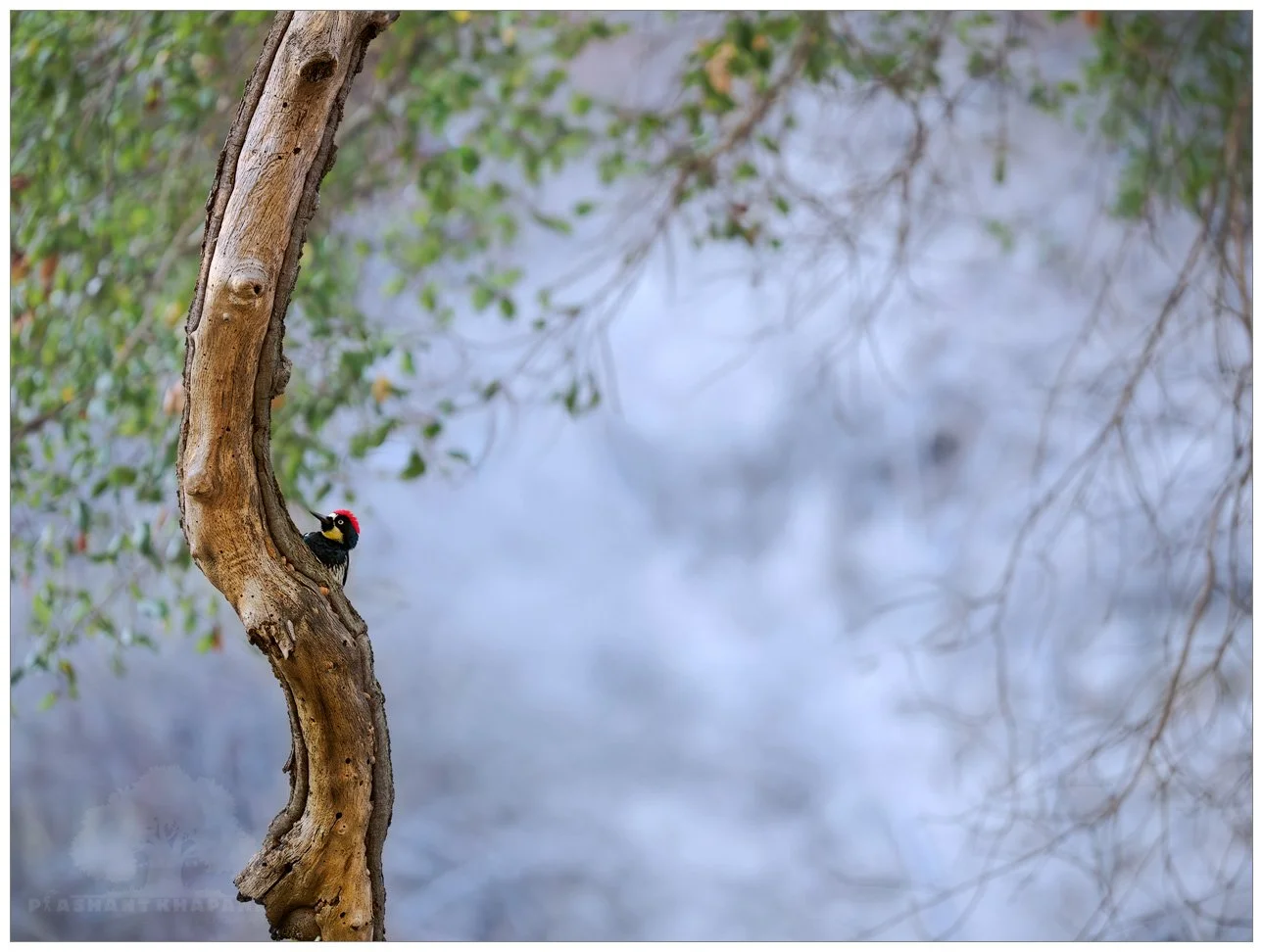
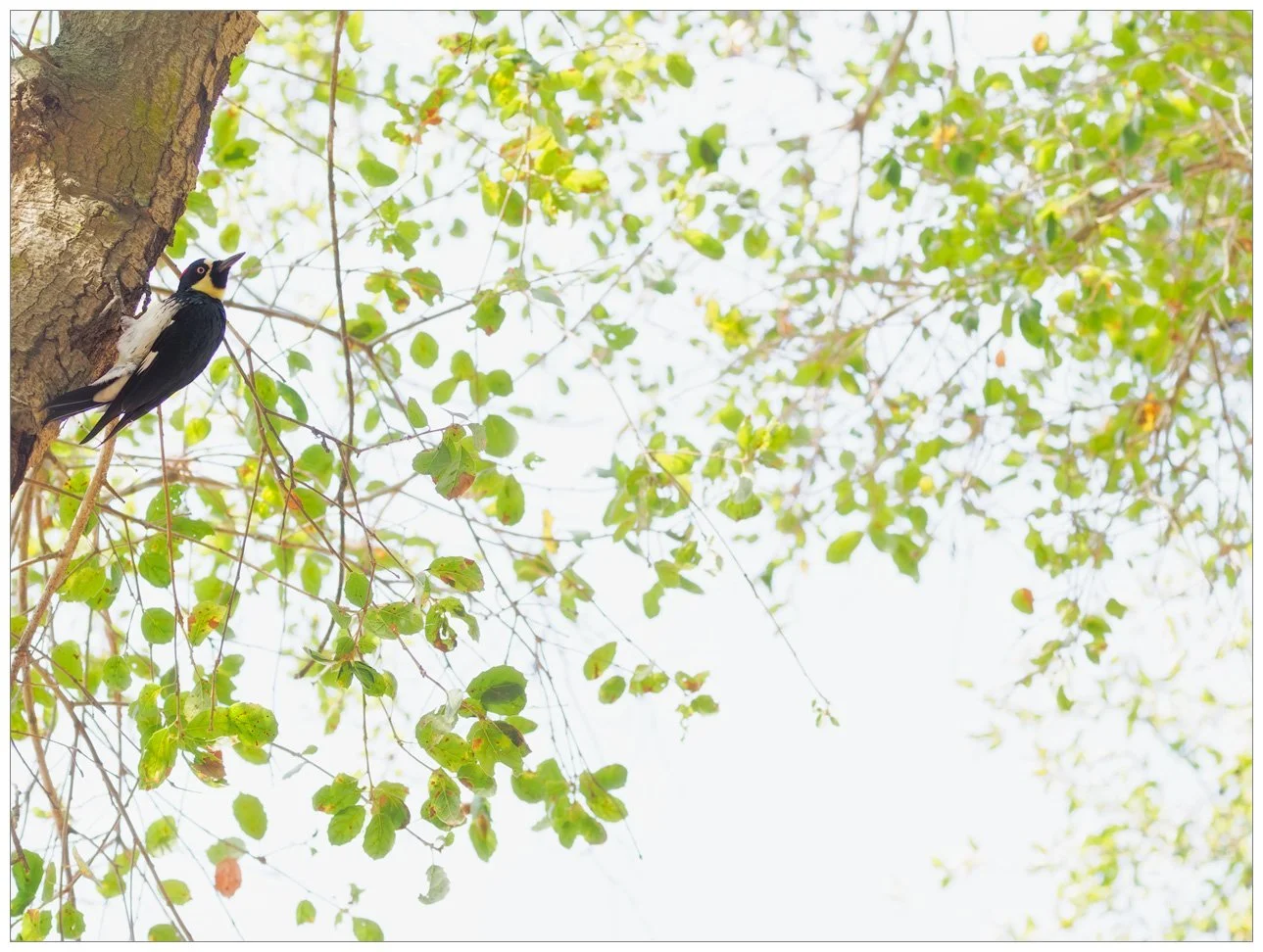
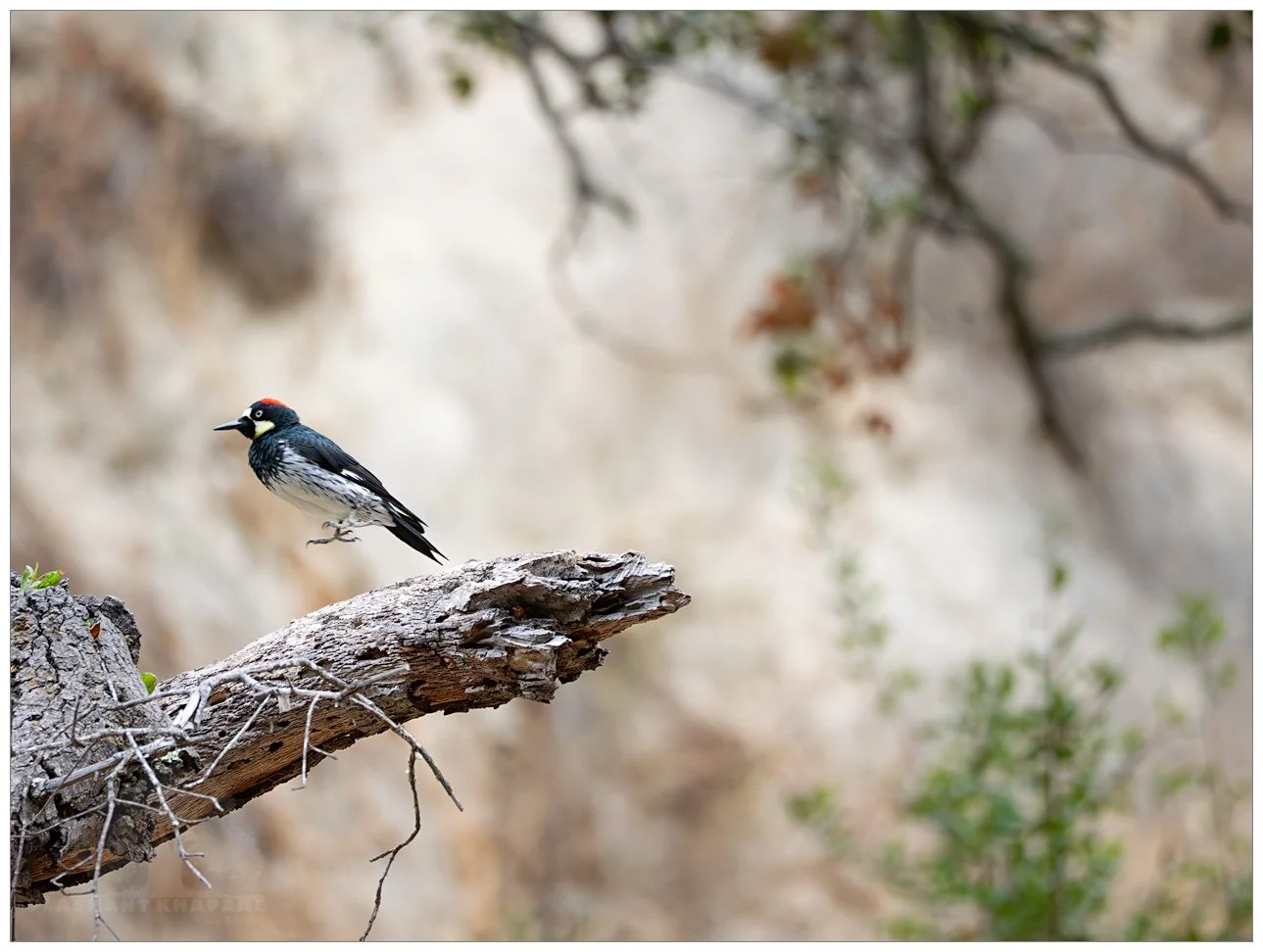
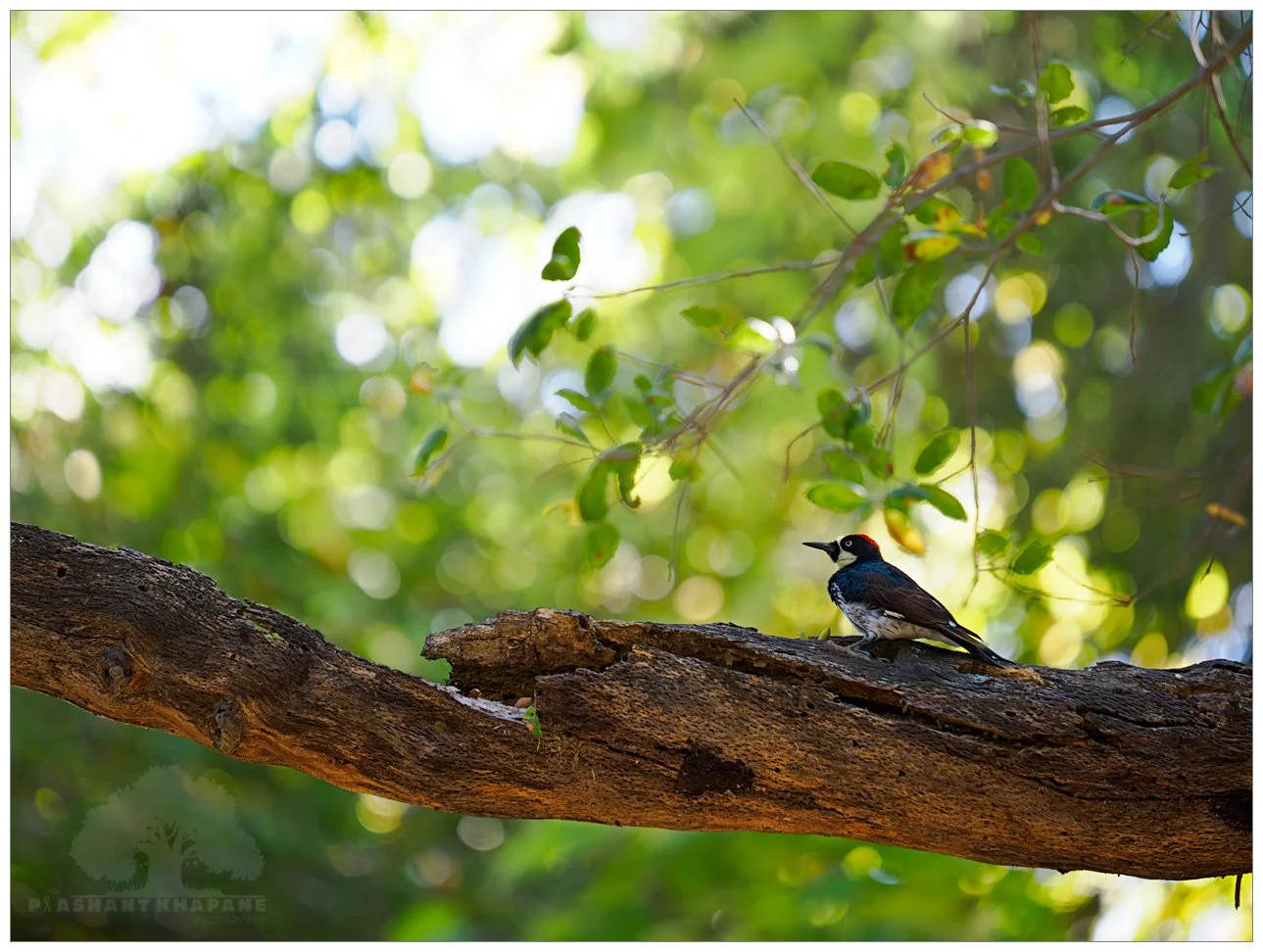
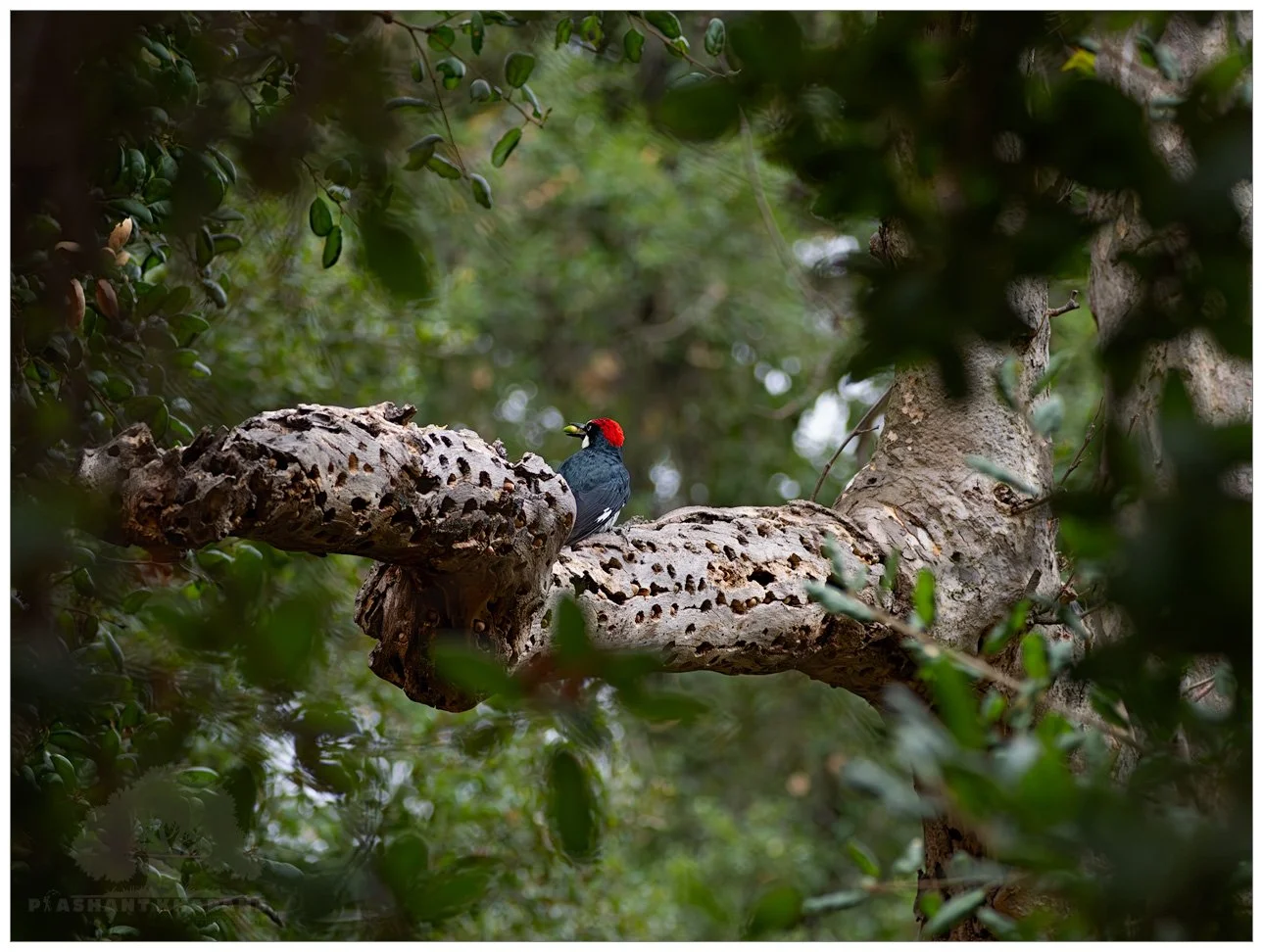
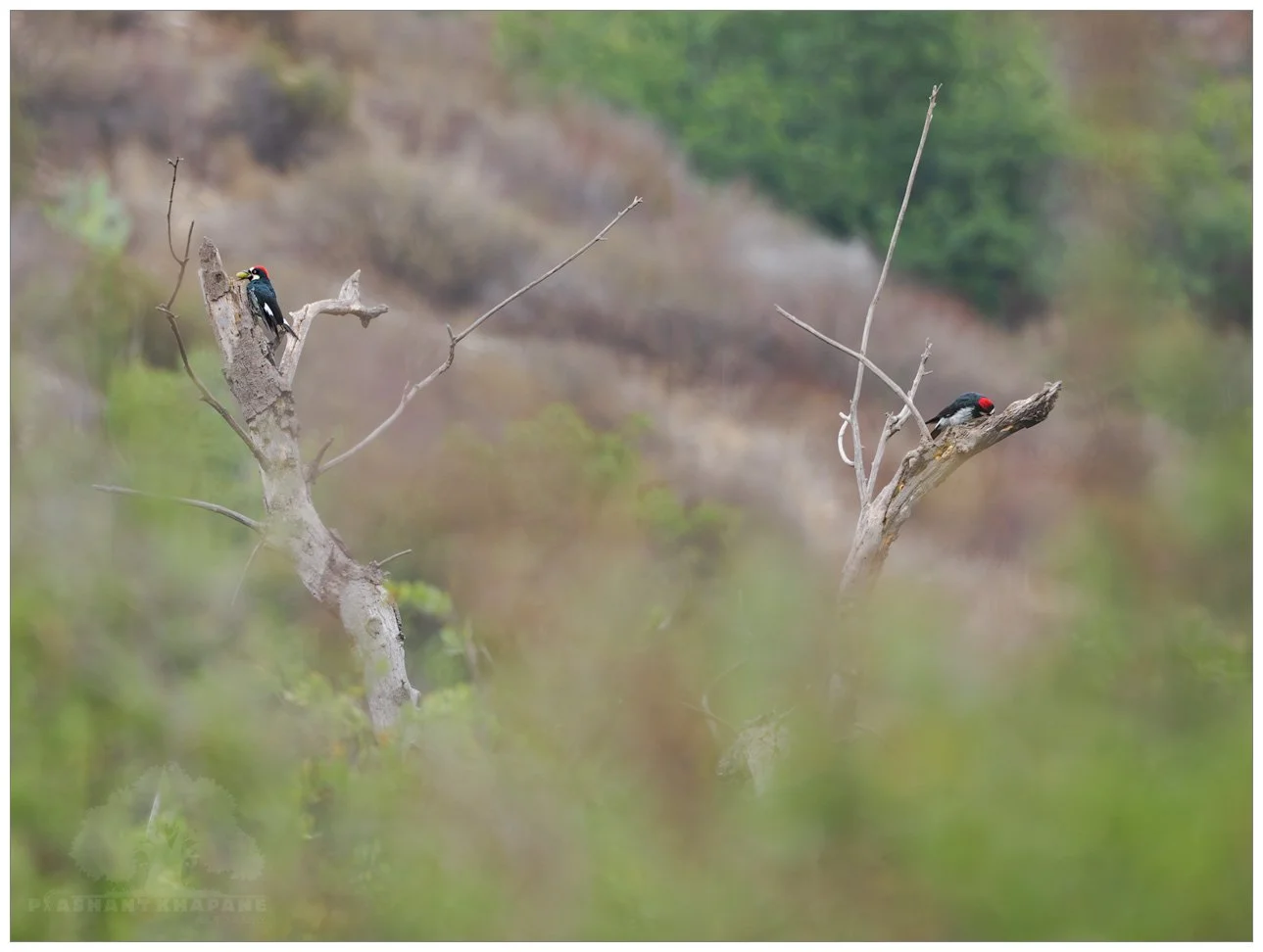
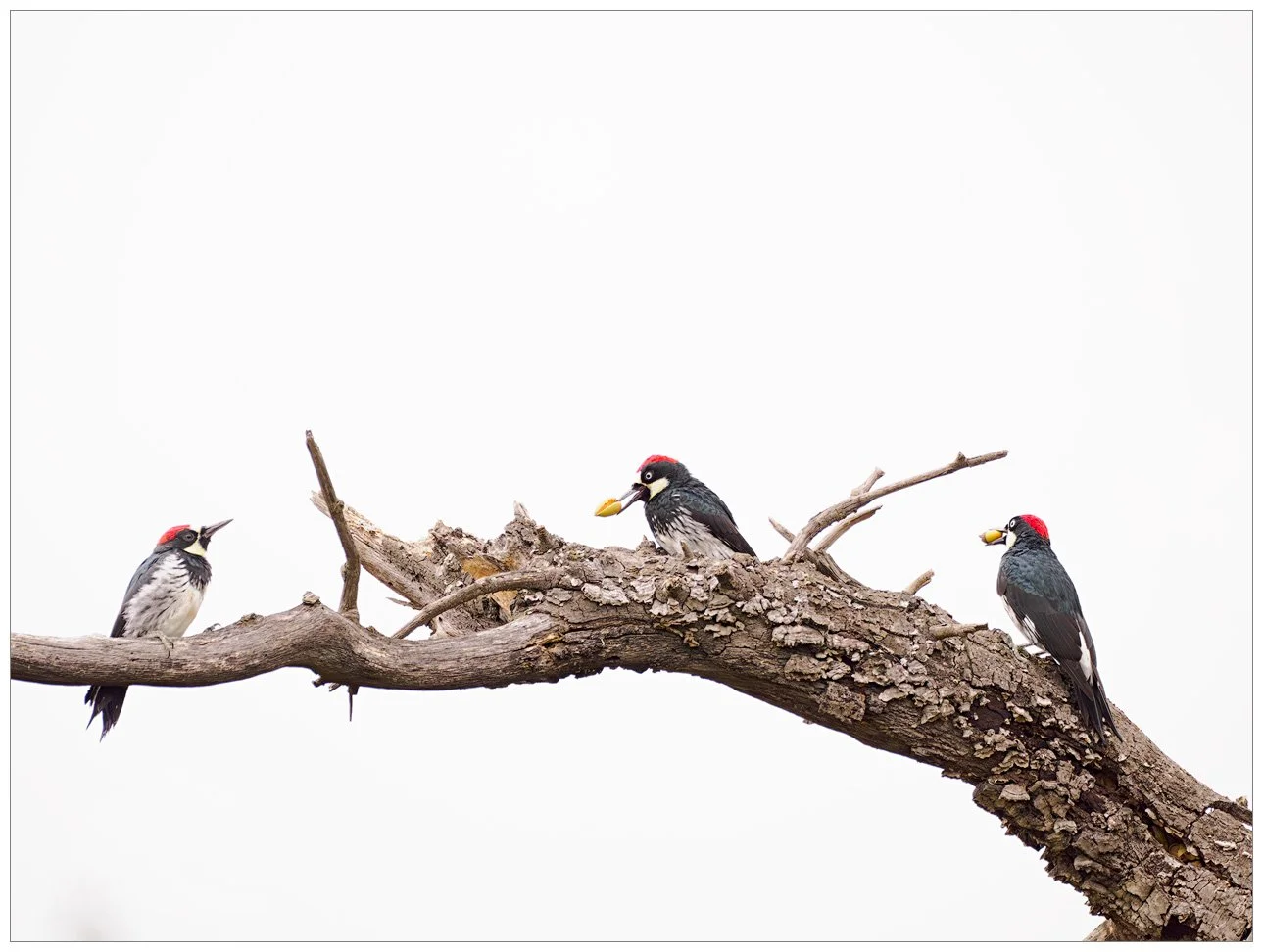

For the first time, I broke my long-standing rule of never buying a camera system brand new. The reasoning was simple and very personal. I wanted something genuinely portable, with the best possible image stabilisation and solid image quality—gear that wouldn’t get in the way. Much of my photography now happens while walking with my son, and in those moments, weight, responsiveness, and reliability matter far more than theoretical perfection.
Most of the trails I walk in Orange County wind through oak forests, and these landscapes are home to one of the region’s most fascinating birds: the Acorn Woodpecker.
Acorn woodpeckers are anything but solitary. They live in highly social groups, often sharing a single territory and cooperating in ways that are rare among birds. Their most distinctive behaviour is the creation of “granaries”—tree trunks, branches, or even wooden structures drilled with hundreds of small holes, each carefully packed with an acorn. These granaries are maintained collectively and defended fiercely, forming the centre of their social life.
Watching them over the seasons is endlessly rewarding. They bicker loudly, chase intruders with theatrical aggression, and yet work together with remarkable coordination. Their intelligence is obvious in the way they cache food, recognise individuals, and adapt to their environment. Photographing them is equally challenging and addictive: quick movements in dappled oak-forest light demand fast reactions, effective stabilisation, and a camera system that gets out of the way rather than demanding attention.
Over the past year, these walks have quietly turned into a long-term project—observing, filming, and photographing acorn woodpeckers as part of everyday life rather than a planned shoot.
I hope you enjoy this short film, made from clips captured across the entire year, along with a small portfolio of images that document these remarkable birds and the moments they shared with me.
Please note that the videos and images captured are hand-held. The audio is from the camera itself and not my usual audio-setup as I had few seconds to capture and move-on with the walk. Everytime.