
Common Ragwort: A Controversial Wildflower of Beauty and Concern
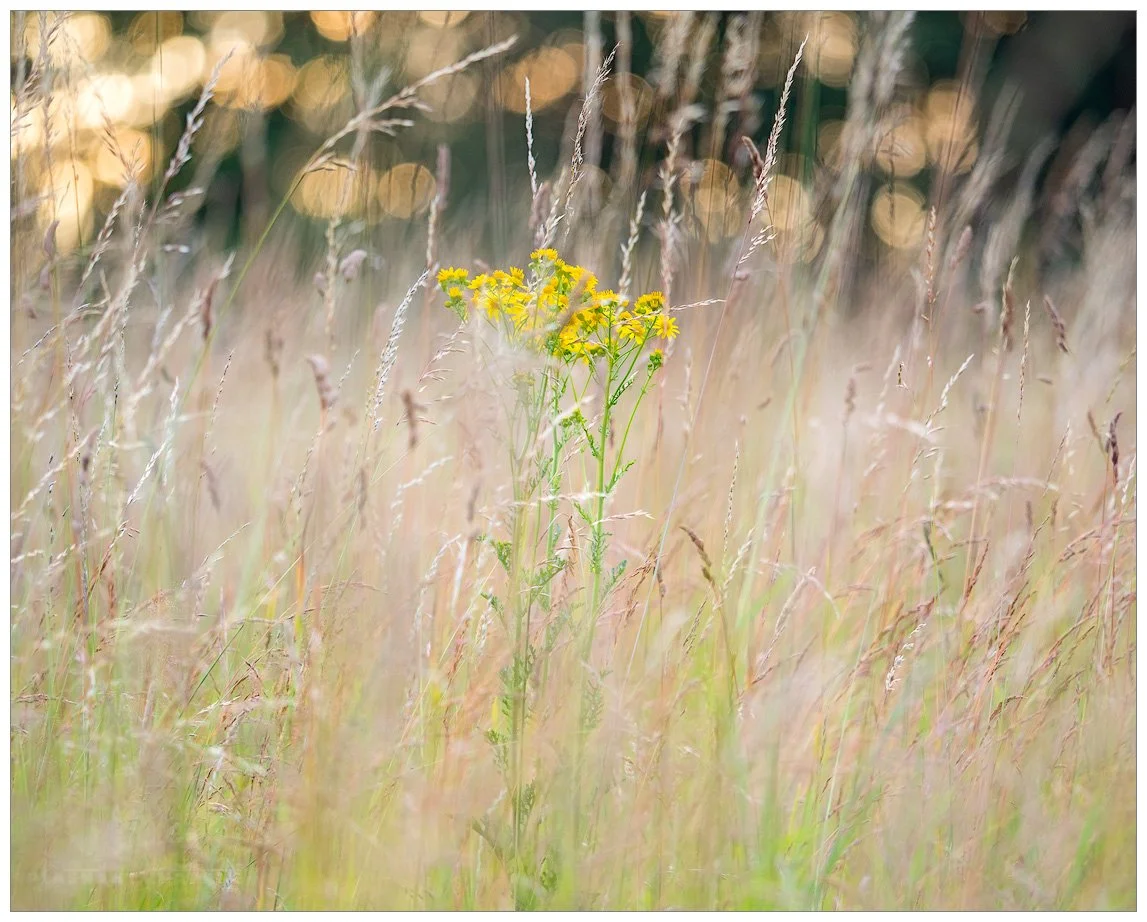
Olympus OM EM1 Mark ii + Olympus 40-150mm f2.8 PRO M.ZUIKO DIGITAL
Common Ragwort, scientifically known as Senecio jacobaea, is a distinctive and often controversial wildflower native to Europe. This herbaceous perennial plant is part of the Asteraceae family and can be found thriving in a variety of habitats, including meadows, pastures, roadsides, and waste grounds.
The appearance of common ragwort can vary depending on its growth stage. In its early stages, it forms a basal rosette of deeply lobed, dark green leaves, which are often covered in a soft, silvery-gray fuzz. As the plant matures, it produces tall, erect stems that can reach heights of up to one meter or more. These stems are adorned with clusters of bright yellow, daisy-like flowers that have a distinct, ragged appearance, hence the name "ragwort."
While common ragwort adds a splash of yellow beauty to the landscape, it has sparked debates due to its toxic nature. The plant contains alkaloids and pyrrolizidine alkaloids (PAs) that can be harmful to livestock if ingested in large quantities. Horses and cattle are particularly susceptible to ragwort poisoning, which can lead to liver damage and even death if consumed over time. For this reason, it is classified as a noxious weed in some regions, and efforts are made to control its spread in agricultural areas.
Despite its toxicity, common ragwort also serves a vital ecological role. The plant attracts various pollinators, including bees, butterflies, and other insects, providing them with nectar and pollen as a food source. It also acts as a habitat and food source for certain insect species, contributing to local biodiversity.
Controlling common ragwort is essential in areas where it poses a threat to livestock, and management efforts often include manual removal, mowing, or the application of herbicides. However, completely eradicating it from the wild is challenging due to its ability to produce a vast number of seeds that can spread easily by wind.
For conservationists, common ragwort serves as an example of the delicate balance between preserving native flora and managing potential risks to livestock and agricultural lands. Understanding its biology, growth habits, and potential ecological impact is crucial to finding the best approach to coexisting with this unique and sometimes divisive wildflower.